
Yogic Neurosciences
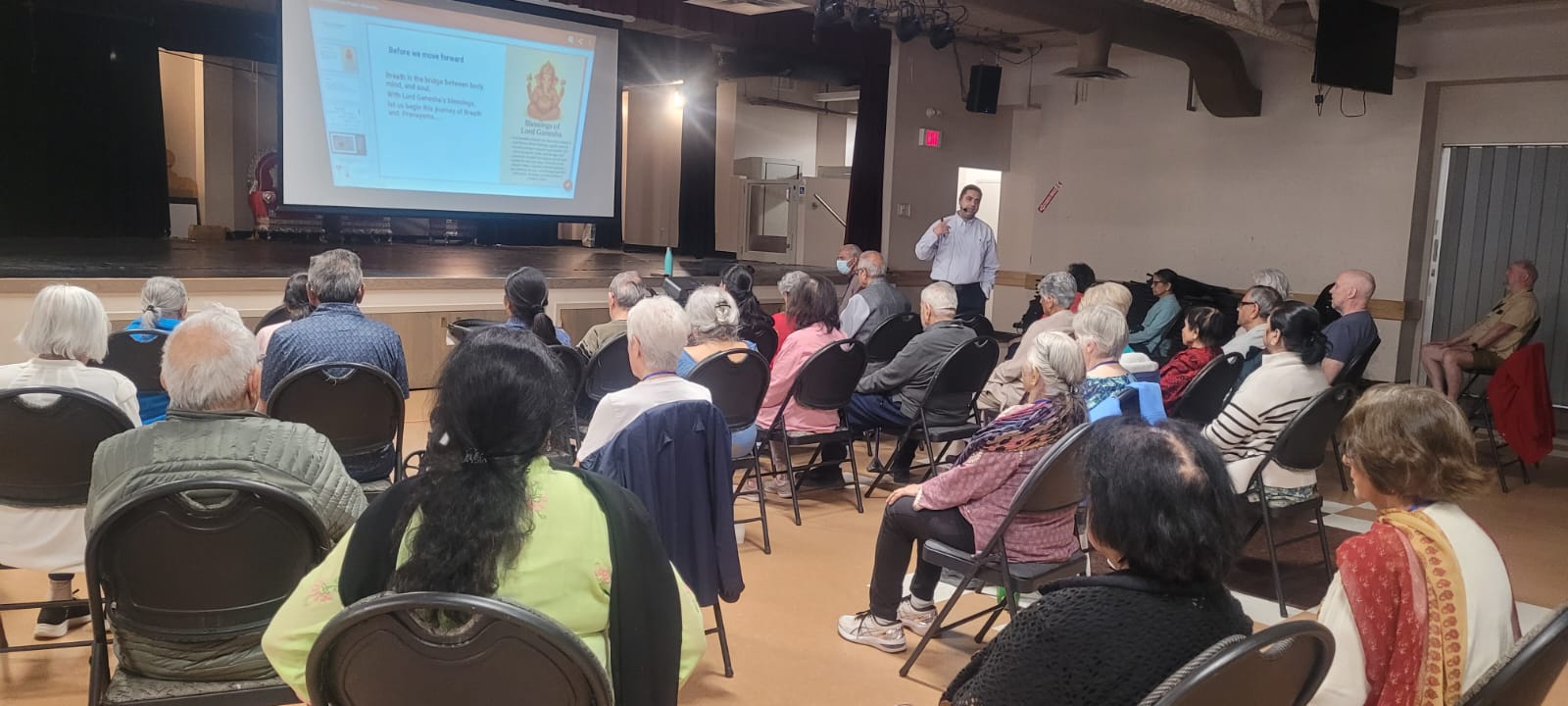
Breath, the Nervous System, and Pranayama
“Breath is the bridge between body, mind, and soul.”
For thousands of years, yogic traditions have described breath as a powerful tool for calming the mind and balancing the body. Modern neuroscience is now helping explain why.
Breathing is unique because it is both automatic and under voluntary control. This means that by consciously changing our breathing pattern, we can directly influence the nervous system, emotions, stress response, and even mental clarity.
The Two Sides of the Nervous System
The autonomic nervous system has two major components:
Sympathetic Nervous System (SNS)
“Fight or Flight”
This system prepares the body for stress and action.
When activated:
- Heart rate increases
- Stress hormones rise
- Muscles tense
- Mind becomes hyper-alert
While essential for survival, chronic activation from modern stress can contribute to anxiety, poor sleep, burnout, and high blood pressure.
Parasympathetic Nervous System (PNS)
“Rest and Restore”
This system helps the body recover and heal.
When activated:
- Heart rate slows
- Muscles relax
- Digestion improves
- Mind becomes calmer
Pranayama and slow breathing techniques help shift the body toward this parasympathetic state.
The Vagus Nerve: The Calm Pathway
The vagus nerve is the main parasympathetic nerve connecting the brain to the heart, lungs, and gut.
Healthy vagal activity is associated with:
- Better stress resilience
- Emotional balance
- Improved recovery
- Greater calmness
Slow breathing, humming, and mindful breathing practices may help stimulate vagal activity and improve nervous system regulation.
Three Important Neuroscience Concepts
1. Parasympathetic Dominance
Slow, controlled breathing can reduce stress activation and promote relaxation.
2. Vagal Tone
“Vagal tone” reflects how effectively the vagus nerve functions.
Higher vagal tone is linked with:
- Better emotional regulation
- Improved resilience
- Healthier stress response
3. Heart Rate Variability (HRV)
HRV refers to the variation in time between heartbeats.
Higher HRV generally reflects:
- Better nervous system flexibility
- Stronger parasympathetic activity
- Better recovery from stress
Research shows that slow breathing practices may improve HRV.
Amygdala Hijack and Emotional Stress
The amygdala is the brain’s emotional alarm center.
During stress or fear, it can trigger an “amygdala hijack,” where emotional reactions overpower rational thinking.
Conscious breathing may help interrupt this stress cycle by calming the nervous system and restoring emotional balance.
The Science of Pranayama
Modern research suggests that pranayama practices may help:
- Reduce stress and anxiety
- Improve autonomic balance
- Enhance focus and attention
- Improve sleep quality
- Support cardiovascular health
Many of these benefits appear to occur through vagal stimulation and better nervous system regulation.
Bhramari Pranayama (Humming Bee Breath)
Bhramari involves producing a gentle humming sound during exhalation.
This practice may:
- Promote relaxation
- Improve focus
- Increase vagal stimulation
- Reduce mental agitation
The combination of slow exhalation and vibration creates a calming effect on the brain and body.
Simple Practice
- Sit comfortably
- Inhale slowly through the nose
- Exhale with a soft humming sound
- Repeat for 5–10 breaths
Keep the breath gentle and relaxed.
Final Thoughts
Ancient yogic traditions understood the power of breath long before modern neuroscience.
Today, science increasingly supports the idea that conscious breathing can influence:
- Stress response
- Emotional regulation
- Heart-brain connection
- Nervous system balance
In a fast-paced world, breath may be one of the simplest and most powerful tools for restoring calm, clarity, and resilience.
Coming Next in Part 2
In the next article, we will explore:
- Alternate nostril breathing
- Ujjayi breathing
- Nitric oxide and nasal breathing
- Breathwork and brain function
- Practical applications for stress, sleep, and healthy aging
- Scientific evidence for Pranayamas


Comments List