
Brain Stroke Awareness: Save a life by knowing the warning signals.
With prompt intervention, millions of lives can be saved and stroke recovery outcomes can be improved, despite the fact that millions of people worldwide are impacted by it annually. Learning about stroke is one of the most crucial actions you can take, whether you're taking care of someone at risk or trying to safeguard your own health.
What Is a Stroke?
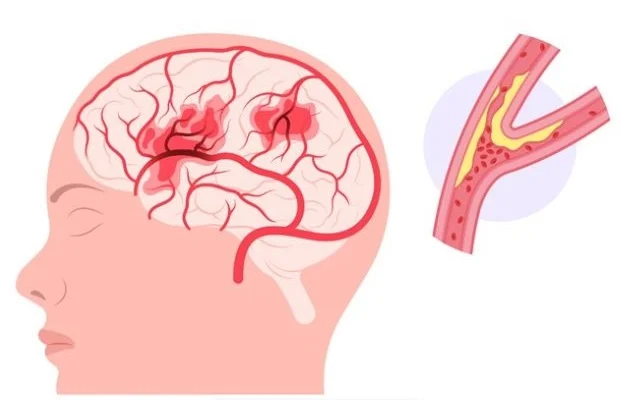
A stroke occurs when blood flow to a portion of the brain is cut off or diminished, depriving brain tissue of the oxygen and nutrients it needs. Brain cells begin to perish in a matter of minutes.
A stroke can manifest in one of two primary ways:
About 85% of ischemic strokes are caused by a blood clot obstructing an artery in the brain.
Stroke caused by bleeding - The reason is that a fragile blood vessel bursts and bleeds into the brain.
When blood supply is momentarily interrupted, a Transient Ischemic Attack (TIA), sometimes known as a "mini-stroke," occurs. This is a significant indicator that a more severe stroke may happen soon.
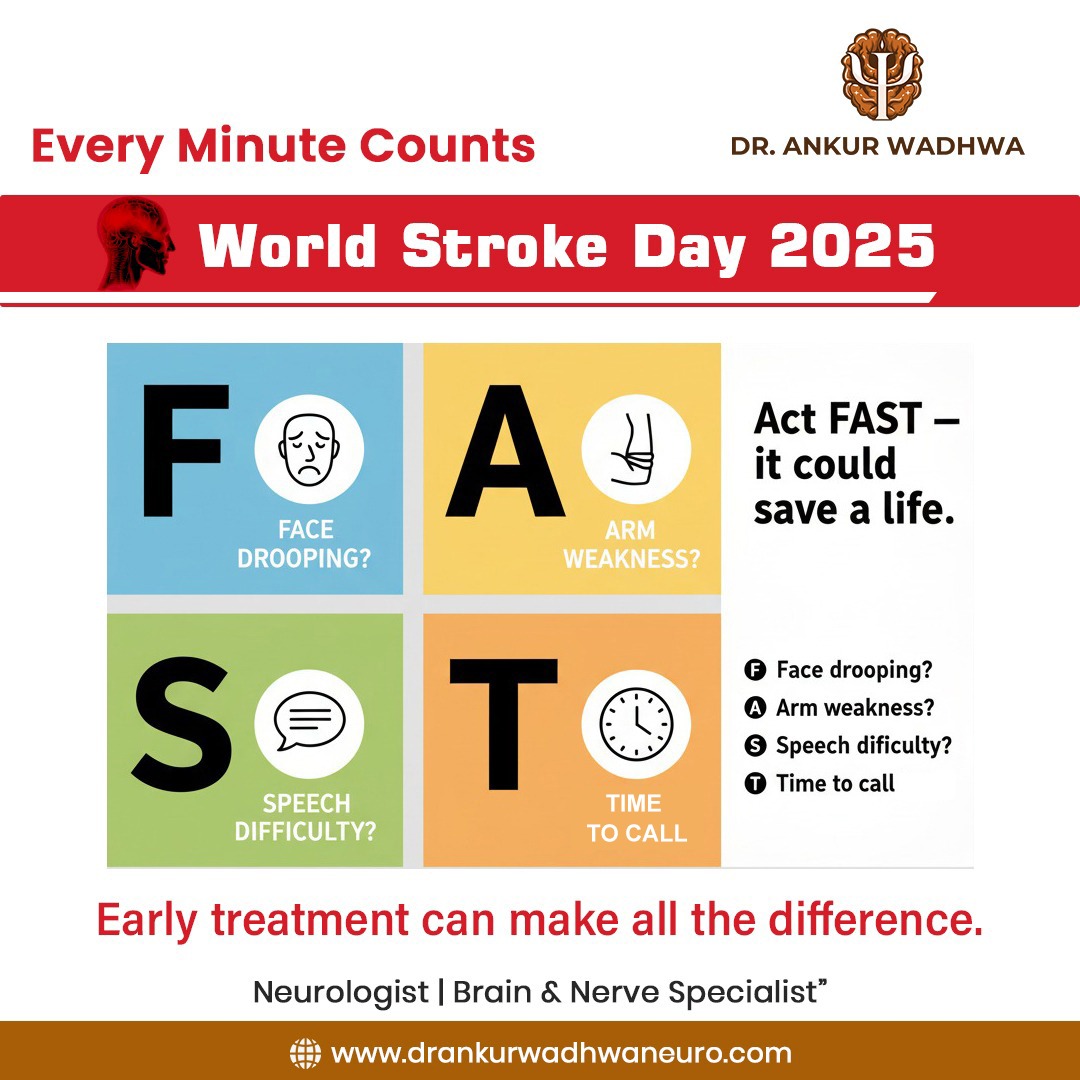
Thinking FAST is the key to identifying a stroke.
Every second counts when it comes to stroke. The difference between recovery and a lifetime handicap might be determined by prompt diagnosis and medical care.
Remember the acronym FAST:
F – Face: Request that the individual smile. Does the face droop on one side?
A – Arm: Request that they lift both of their arms. Does one arm drift down?
S - Speech: Is it difficult to understand, slurred, or odd?
T – Time: Call for help right away. Don't drive yourself or wait.
If symptoms vanish quickly, seek assistance immediately since it could be a TIA.
Avoiding Stroke: Take Control of Your Health
By making wise lifestyle decisions and controlling risk variables, you may avoid up to 80% of strokes. Here's how you may safeguard yourself:
Maintain blood pressure: The primary cause of stroke is high blood pressure.
Control cholesterol and blood sugar.
Quit smoking, since it increases your chance of having a stroke by twofold.
Keep active: Try to exercise for 30 minutes on the majority of days.
Make wise decisions about what you eat. Pay attention to fruits, veggies, lean proteins, and whole grains.
Avoid drug misuse and restrict alcohol consumption.
Share your family history with your doctor.
After a stroke, life
Stroke recovery is a process that frequently includes therapy, such as physical, occupational, and speech therapy. Many survivors recover their independence and quality of life with support, patience, and perseverance.
Be aware that you are not alone if you or someone you care about has suffered a stroke. Rehabilitation professionals and stroke support groups may offer guidance and support throughout the healing process.
Conclusion
Anyone can have a stroke at any moment, but knowing about it and acting quickly can save lives.
Keep an eye out for the signals. Take action quickly. Tell everyone about it.


Comments List